


 English
 中文简体
中文简体 Español
 عربى
عربىWhat Is a WTB Connector System and How Does It Work
Modern electronic products may look simple from the outside. Inside, however, many small parts work together to keep power and signals moving through the device. Wires connect different sections. Circuit boards control functions. Connectors create the points where these parts meet.
One connection method that has become common across electronic equipment is the WTB Connector System . WTB stands for Wire-to-Board. As the name suggests, this type of system is designed to connect wires or cables with a circuit board.
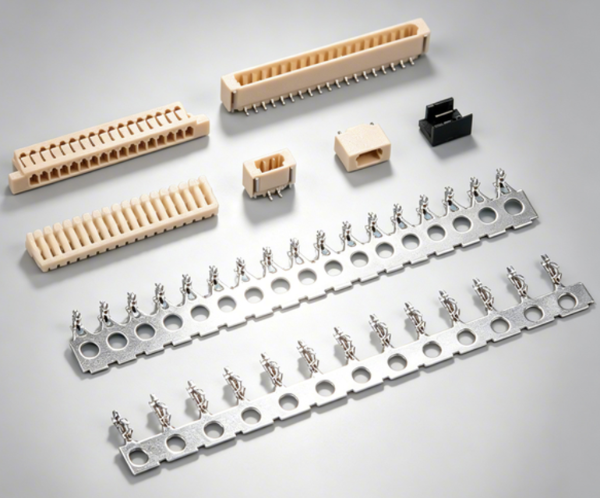
The idea sounds straightforward. A wire needs to connect with a board, so a connector creates a practical link between them. Yet the connector does more than simply bring two parts together. Its design can influence assembly, maintenance, wiring organization, and the way a product is arranged internally.
As electronic products continue to include more functions in compact spaces, the role of small connection systems is receiving more attention. WTB connectors can offer a structured way to organize wiring without relying on permanent connections between every wire and board.
So, what exactly is a WTB Connector System, and how does it work in everyday electronic equipment?
What Is a WTB Connector System?
A WTB Connector System is a connection solution used to join wires with a printed circuit board, commonly known as a PCB. Instead of attaching each wire directly to the board, a connector provides an organized connection point.
The system generally includes a part attached to the circuit board and a matching part connected to the wire side. When the two parts are joined, the wire becomes connected with the electrical paths on the board.
This approach can make the internal structure of an electronic product easier to organize. Wires can be grouped together rather than attached individually in an uncontrolled arrangement. The connection can also be separated when access is needed for inspection or maintenance.
WTB systems can appear in many types of equipment. They may be used inside household electronics, control equipment, lighting products, office devices, automotive systems, and other electronic products. Their exact form can change according to the application.
The basic idea remains the same:
| Part of the system | Main role |
|---|---|
| Wire side | Carries the connection from the cable or wire |
| Board side | Provides the connection point on the PCB |
| Contact area | Creates the electrical connection |
| Housing | Keeps the connection parts organized |
| Locking feature | Helps keep the joined parts in place |
This structure gives designers more freedom when arranging the internal wiring of a product.
How Does a WTB Connector System Work?
The working principle of a WTB Connector System is relatively easy to understand. A wire is connected to one part of the connector. Another part is mounted on the circuit board. When the two connector sections are joined, the electrical path between the wire and the board is established.
The connector therefore acts as a bridge between two different parts of the product.
During assembly, wires can be prepared with the appropriate connector section. The matching section is positioned on the PCB. The two sides are then brought together. Once properly connected, electrical signals or power can move through the connection.
The physical connection also matters. A connector needs to stay in place during normal use. This is why many WTB designs include some form of locking structure. The locking feature helps prevent the two sides from separating unintentionally.
When maintenance is required, the connection can usually be separated without removing the entire wire from the product. This can make access easier and give the assembly process more flexibility.
The process can be viewed in four simple stages:
- Wire preparation
The wire or cable is connected with the wire-side part of the system. - Board preparation
The matching connector part is positioned on the circuit board. - Connection
The two connector sections are joined. - Disconnection when needed
The parts can be separated for inspection, replacement, or service.
This simple sequence explains why WTB connectors are useful in products where wiring needs to be organized and accessible.
Why Are WTB Connector Systems Used in Electronic Products?
Electronic products contain many connections. As functions increase, the internal wiring can become more difficult to manage. A direct wire connection may work for a simple product, but it may become less convenient when several wires need to connect with different areas of a circuit board.
A WTB Connector System provides a more organized approach.
One benefit is easier assembly. Instead of handling individual wires during every stage of production, manufacturers can work with prepared connector assemblies. This can make the wiring process easier to organize.
Another consideration is maintenance. A detachable connection can be useful when a component needs to be inspected or replaced. The connector allows the wire and board to be separated without necessarily disturbing other parts of the product.
WTB connectors can also support cleaner internal layouts. Wires can follow planned paths and remain grouped together. This can be helpful when space inside a product is limited.
The advantages can be viewed from several practical perspectives:
- Assembly: prepared connections can simplify wiring work.
- Organization: wires can be grouped into defined connection points.
- Maintenance: detachable connections can make access easier.
- Product design: connectors can provide more freedom when arranging internal parts.
- Adaptability: different connector designs can suit different product structures.
These factors explain why WTB systems have become an important consideration in electronic product design.
What Parts Make Up a WTB Connector System?
Although connector designs vary, most WTB systems are built around several basic parts.
The housing provides the physical structure. It holds the internal contact parts in position and gives the connector its overall shape. Housing designs can vary according to how the connector needs to fit within the product.
The contact section creates the electrical connection. It sits between the wire and the board-side connection. Its role is to maintain a reliable path when the connector is properly assembled.
The wire-side section is connected with the cable or wire. This part needs to hold the wire securely while maintaining the intended electrical connection.
The board-side section is attached to the PCB. It creates the point where the wire assembly can be connected.
A locking feature may also be included. Its purpose is simple. It helps keep the connector sections together during normal product use.
These parts work as a system rather than as separate components. A housing may provide physical support, but the contact area needs to create the electrical path. The locking structure may hold the connection together, but it also needs to work naturally with the rest of the design.
For this reason, connector selection is usually based on the complete system rather than one individual part.
How Does a WTB Connector Support Easier Assembly?
Assembly is an important part of electronic manufacturing. Small wires can be difficult to handle when they need to be connected individually. A connector system can provide a more structured way to complete this work.
With a WTB Connector System, the wire side can be prepared before the final assembly stage. The board-side connector can also be positioned on the PCB. During product assembly, the two parts can then be joined.
This can create a more organized workflow.
It may also make it easier to identify where a wire should be connected. A defined connector position gives the assembly process a clear connection point. This can reduce confusion when a product contains several wires.
Connector systems can also help with product servicing. If a board needs to be removed, a detachable connector may allow the wiring to be separated without cutting or permanently removing the wire.
The practical value of a connector is therefore not limited to the moment when electricity passes through it. It can also influence how people build, inspect, repair, and organize an electronic product.
Where Can WTB Connector Systems Be Used?
WTB connectors can be found in many types of electronic equipment because the need to connect wires with circuit boards appears across different industries.
In consumer electronics, they can help connect internal controls, displays, power sections, or other components. In lighting products, they may connect wires from different parts of a lighting assembly with a control board.
Industrial equipment can also use WTB connections where multiple wires need to communicate with control boards. The connector provides a defined point between the wiring and the electronic control section.
Automotive products are another area where organized internal wiring can matter. Electronic systems inside vehicles can contain many components that need to communicate with circuit boards.
The same general concept can also apply to office equipment, appliances, communication devices, and other electronic products.
| Application area | Possible connection role |
|---|---|
| Consumer electronics | Connecting internal wires with control boards |
| Lighting equipment | Linking wiring with electronic control sections |
| Industrial equipment | Organizing wires around control systems |
| Automotive electronics | Connecting internal wiring with electronic modules |
| Office equipment | Linking internal components with circuit boards |
| Household appliances | Supporting organized internal connections |
The exact connector design depends on the product. A small electronic device may need a compact connection arrangement, while a larger product may have different space and wiring requirements.
How Should Buyers Choose a WTB Connector System?
Choosing a WTB Connector System should begin with the application rather than the connector name.
The available space inside the product is an important consideration. The connector needs to fit naturally into the internal layout without making wiring difficult to arrange.
The number of wires also matters. A simple connection may require a small connector arrangement, while a more complex product may need a connector designed to organize multiple wires.
The way the product will be assembled should also be considered. If the connector will be installed during repeated production, its shape and handling can affect the assembly process.
Maintenance is another useful point to consider. If a board or internal component may need to be removed later, a detachable connector can provide practical value.
Buyers can use the following checklist when comparing options:
- Product structure
Where will the connector be positioned inside the product? - Wiring arrangement
How many wires need to be organized through the connection? - Assembly method
How will workers or equipment install the connector? - Service needs
Will the connection need to be separated during maintenance? - Physical protection
Does the connector need a structure that helps keep the connection secure? - Overall product design
Does the connector fit naturally with the surrounding components?
A good selection process connects these questions with the actual application. The same WTB Connector System may not be suitable for every electronic product.
What Role Could WTB Connector Systems Play in Future Product Design?
Electronic products continue to change in shape and internal arrangement. Designers often need to place more functions into spaces that may already be crowded. This makes the organization of internal connections increasingly important.
A WTB Connector System can provide a flexible connection point between wiring and a circuit board. It separates the wire connection from the permanent structure of the board while still allowing the two parts to work together.
This can support different approaches to product assembly. Designers can position boards and wires according to the overall product structure rather than treating every wire as a permanent part of the board.
The growing variety of electronic products also creates different connection needs. A connector used inside a small consumer device may have a different role from one used in industrial equipment. This encourages manufacturers and designers to consider connector design as part of the overall product architecture.
For buyers, the key consideration is often simple: the connector should fit the way the product is designed, assembled, used, and maintained. A WTB Connector System provides one practical way to create that connection between wires and the electronic board at the heart of many modern devices.
المنتجات ذات الصلة
-
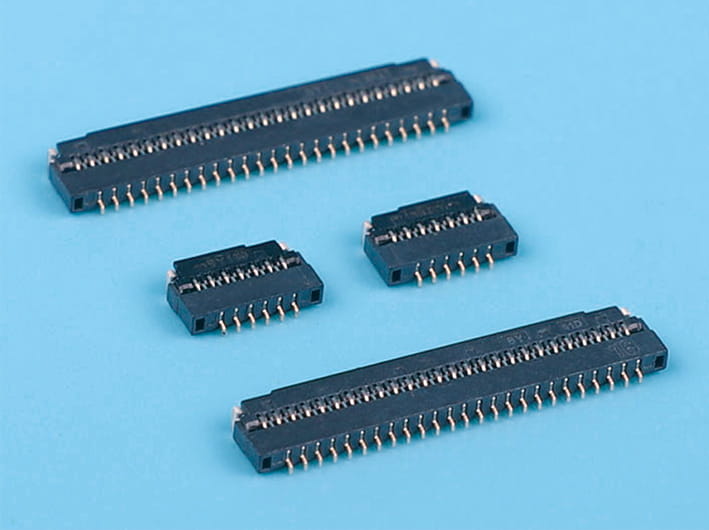
موصل شريطي مسطح سهل التشغيل FPC، مسافة 0.3 مم، ارتفاع 1.0 مم، موصل دائرة مطبوعة مرن، نوع smt أفقي
-
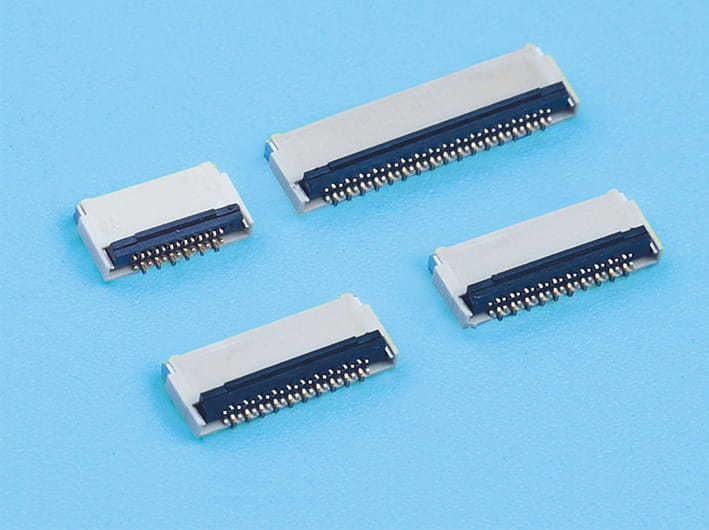
موصل كبل مرن مسطح FPC خلفي، مسافة 0.3 مم، ارتفاع 1.0 مم، نوع الاتصال السفلي لاتصالات لوحة PCB
-
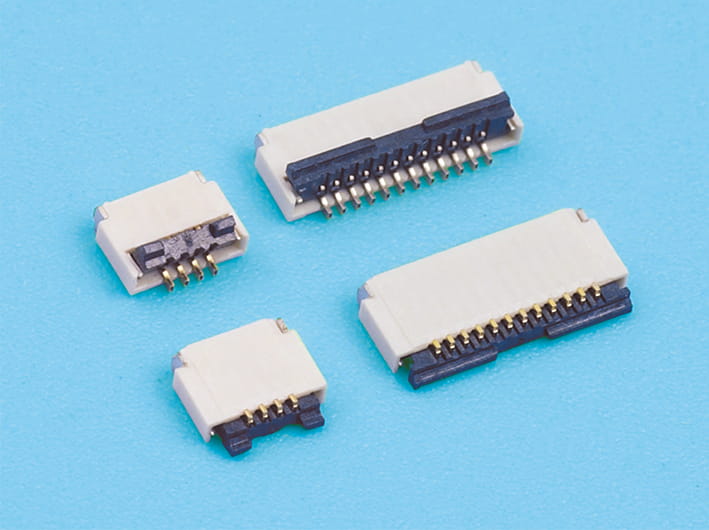
موصل كابل مسطح صغير الحجم fpc، تباعد 0.5 ملم، ارتفاع 1.0 ملم، تصميم مدمج، أبيض، للبيانات وتطبيقات نقل الإشارة
-
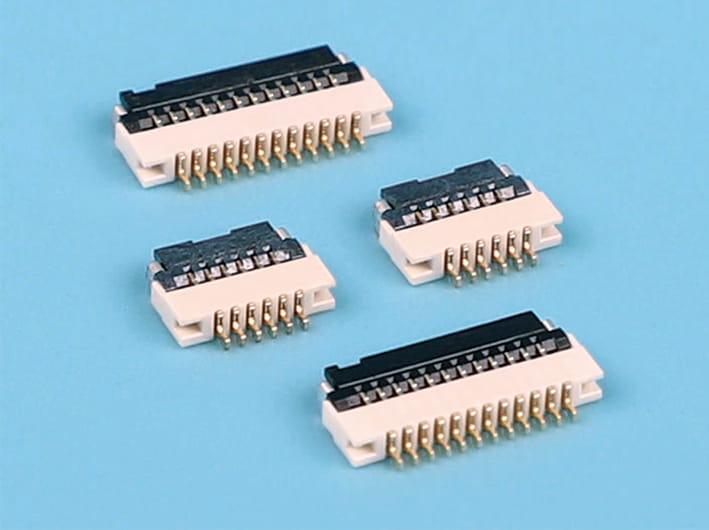
مسافة 0.5 مم، ارتفاع 1.0 مم، موصل FPC أفقي من النوع القابل للطي
-
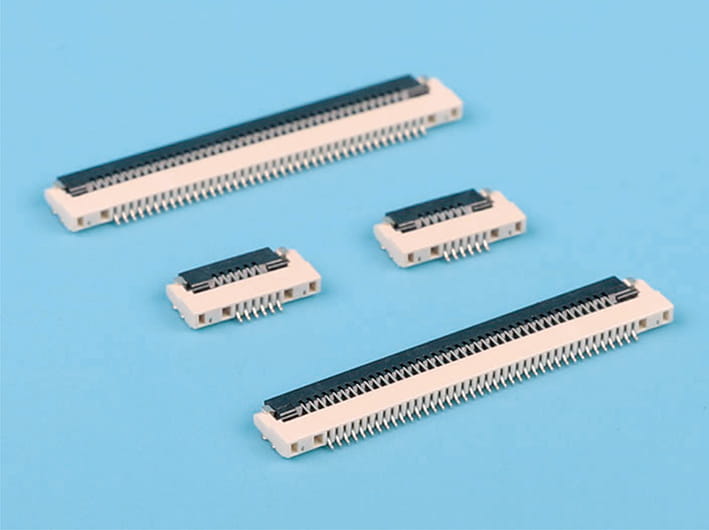
موصلات كبل مسطحة مقاس 0.5 مم مقاس 1.2 مم fpc، نوع smt أفقي، موصلات دوائر مطبوعة مرنة، قفل آمن
-
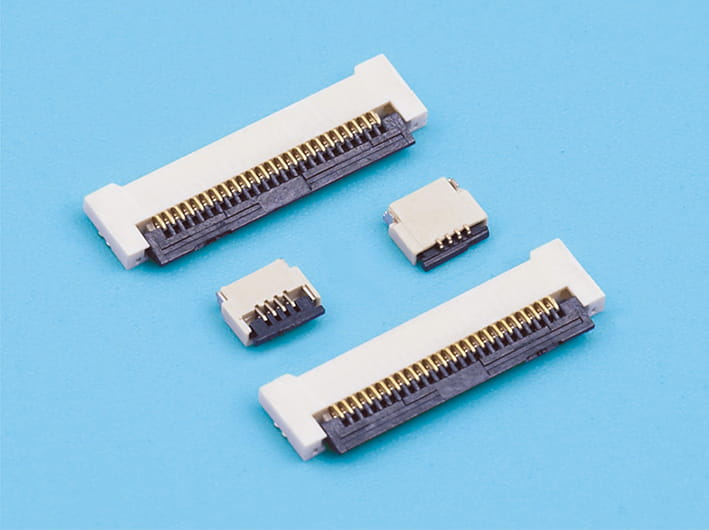
مسافة 0.5 مم، ارتفاع 1.2 مم، موصل FPC أفقي للدخول الخلفي
-
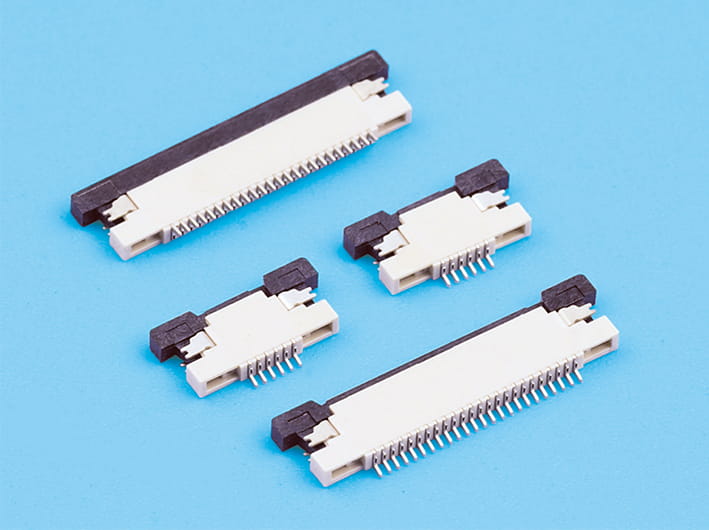
موصل كبل مسطح FPC بطول 0.5 مم وارتفاع 1.2 مم، اتصال علوي ZIF R/A، منزلق قفل، تكامل عالي الكثافة، متين، للدوائر المطبوعة المرنة
-
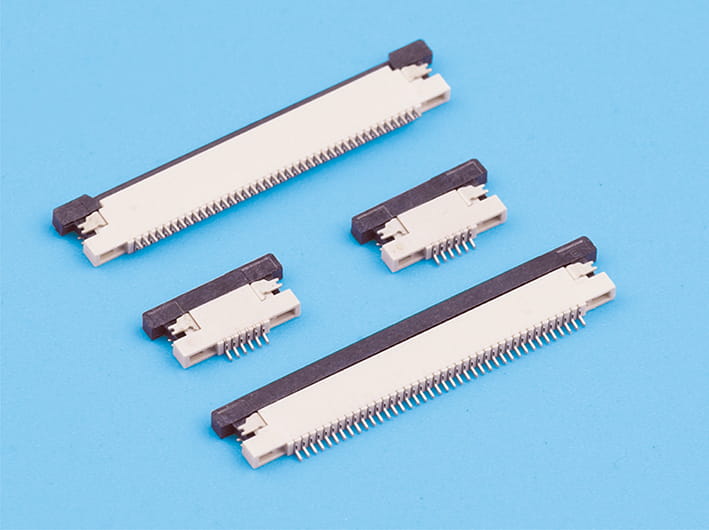
0.5 مم الملعب 1.2 مم ارتفاع FPC موصل كابل مرن مسطح، ZIF R/A اتصال سفلي، للإلكترونيات ولوحات PCB
-
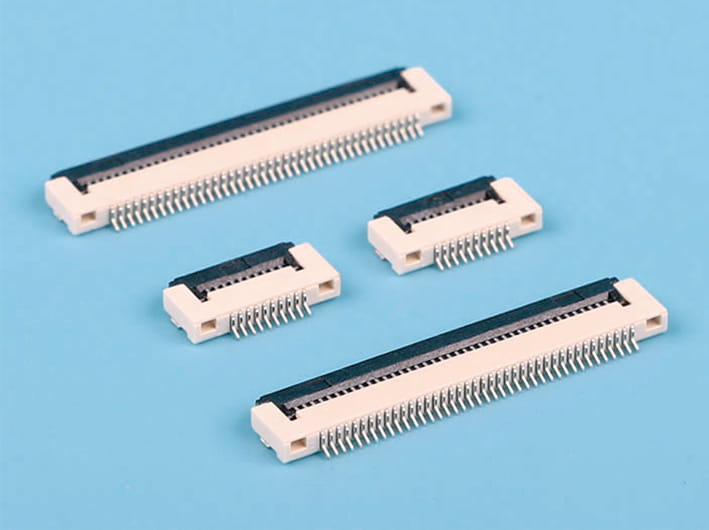
كابل مرن مسطح عالي الجودة بطول 0.5 مم وارتفاع 1.5 مم، موصل FPC، نوع أفقي، نمط القفل، للوحة دائرة PCB
-
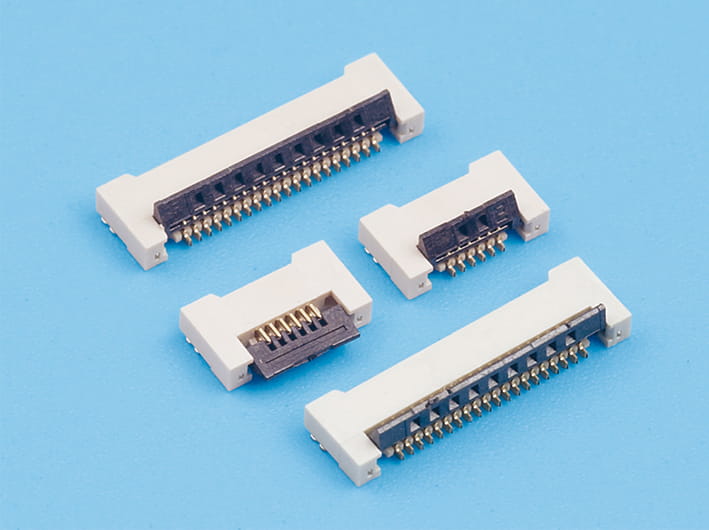
موصلات مسطحة FPC بطول 0.5 مم وارتفاع 1.5 مم، نوع شريحة ZIF، موصلات كابل دائرة مطبوعة مرنة، اتصال أفقي
-
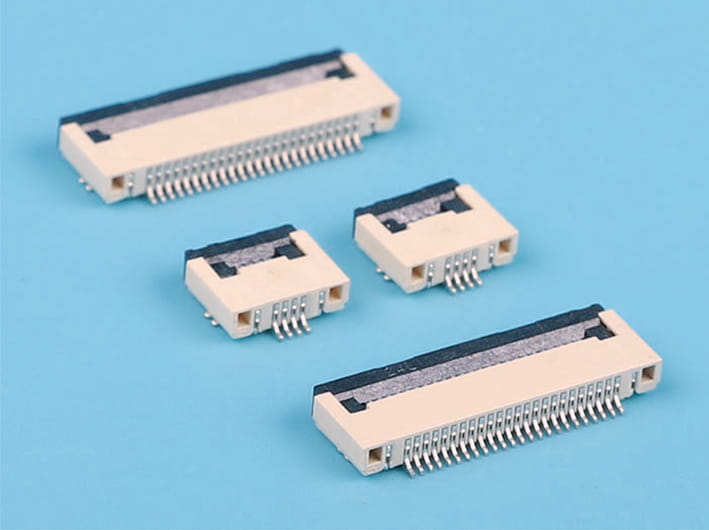
موصل شريط مسطح سهل التشغيل FPC مقاس 0.5 مم، ارتفاع 2.0 مم، قفل نوع شريحة ZIF، اتصال أفقي، موصل لوحة دوائر مطبوعة مرنة
-
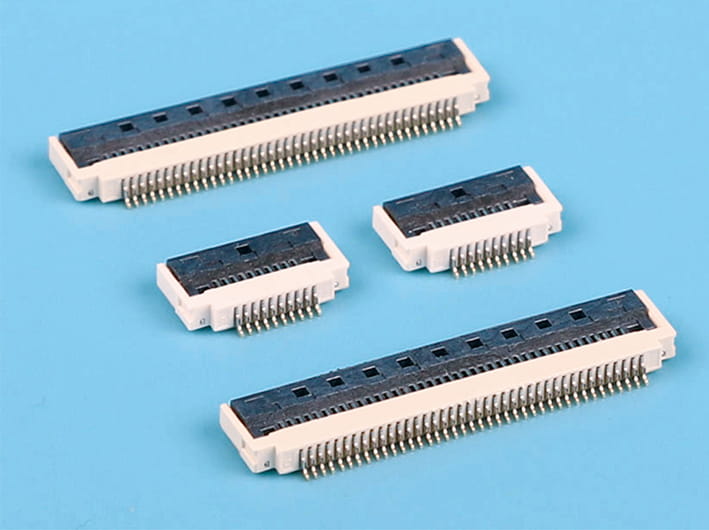
ارتفاع 0.5 مم، ارتفاع 2.0 مم، سهل التشغيل مع موصلات مسطحة من FPC بإبزيم، موصلات لوحة دوائر مطبوعة مرنة عالية الكثافة
-
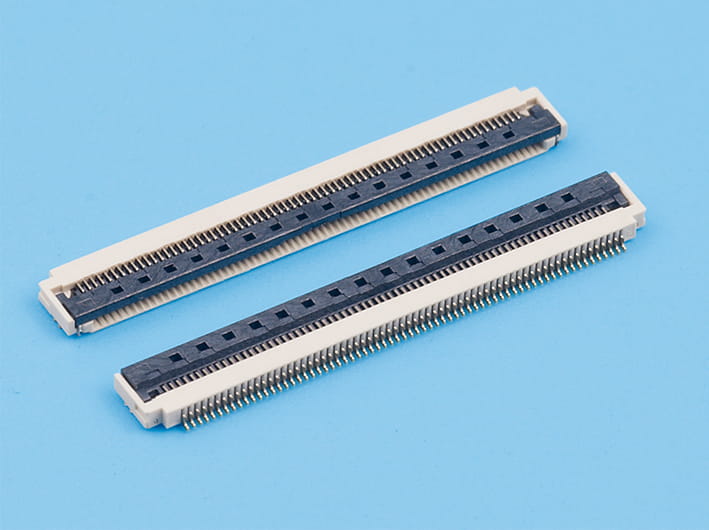
مسافة 0.5 مم، ارتفاع 2.0 مم، غطاء مفصلي، تركيب أفقي، وسادات لحام كبيرة
-
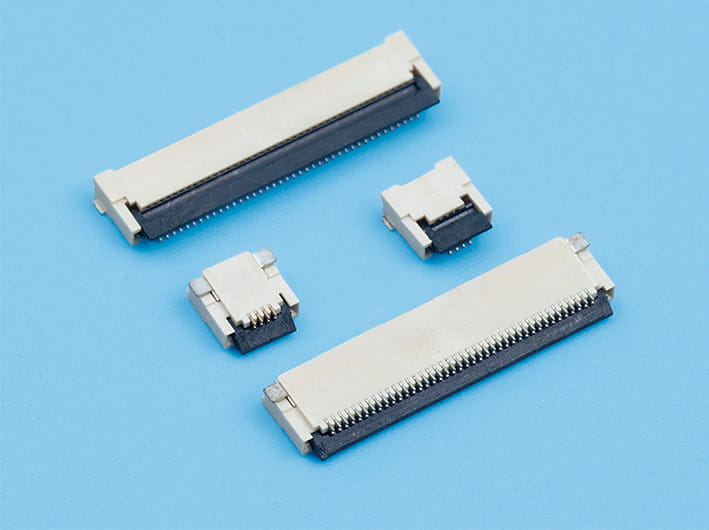
0.5 مم الملعب 2.0 مم ارتفاع الوجه الخلفي FPC موصلات مسطحة، إدراج أفقي، نوع القفل، شريحة ZIF، حامل ثنائي الفينيل متعدد الكلور
-
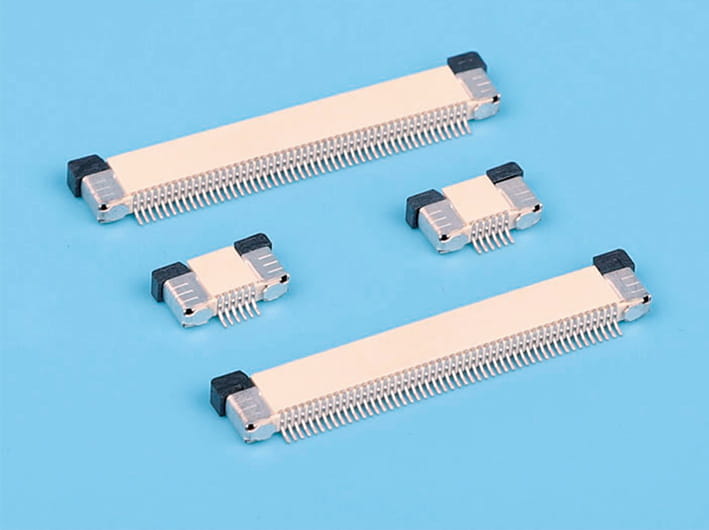
مسافة 0.5 مم، موصل FPC أفقي فائق النحافة 2.0 مم (نوع القفل القابل للسحب، نوع الاتصال العلوي)
-
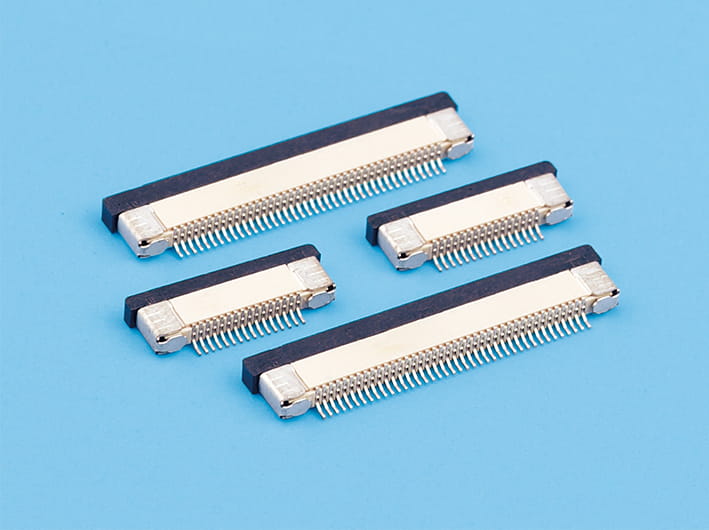
مسافة 0.5 مم، موصل FPC أفقي فائق النحافة 2.0 مم (نوع القفل القابل للسحب، نوع الاتصال السفلي)
-
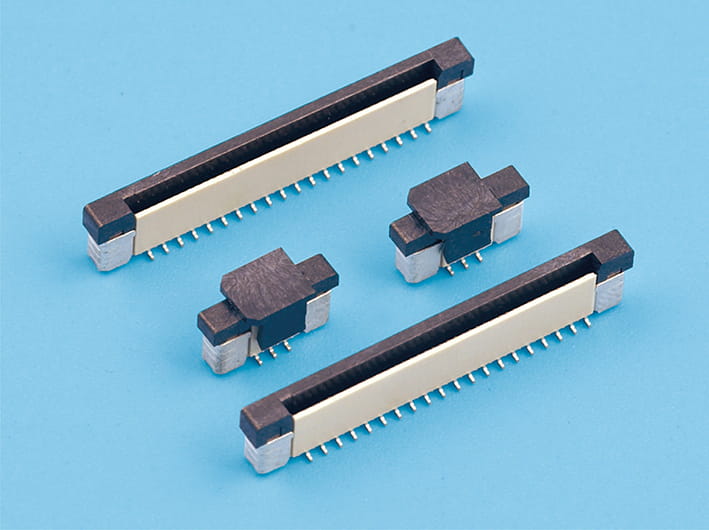
0.5 مللي متر الملعب 4.5 مللي متر ارتفاع fpc موصل كابل مسطح ، مؤشر zif s/t عكسي ، قفل الشريحة
-
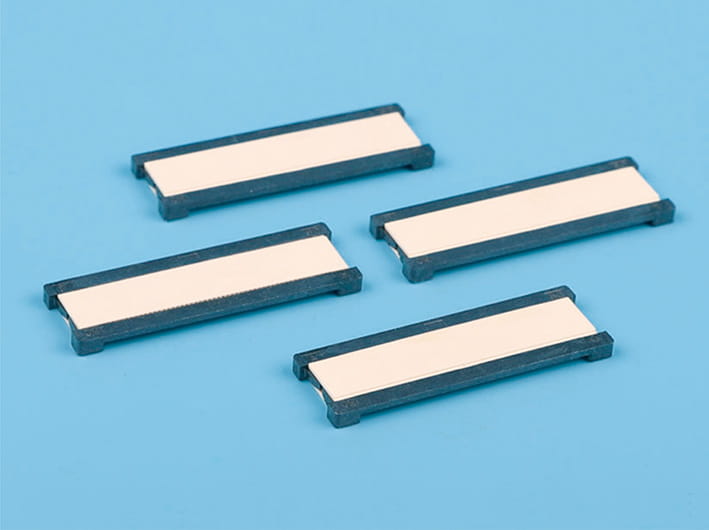
موصل مسطح fpc للرسم على الوجهين، مسافة 0.5 مم، ارتفاع 2.0 مم/2.5 مم، نوع الوجه، للكابل المرن، قابل للتركيب على PCB
معلومات الاتصال
-
السيد تشو (مدير المبيعات)
تلفون:+86(0)577-62369959
تلفون:+86(0)577-62378959
MP:+86-13570877599
البريد الإلكتروني:[email protected]
الويتشات:+86-13570877599
روابط المنتجات
روابط سريعة

حقوق الطبع والنشر © شركة تشجيانغ ويندا للإلكترونيات المحدودةجميع الحقوق محفوظة.

