


 English
 中文简体
中文简体 Español
 عربى
عربىأخبار
الصفحة الرئيسية / أخبار / أخبار الصناعة / Connector Reliability Testing: Key Standards Every Design Engineer Should Know
With the continuous evolution of the electronics industry, connector reliability has become more critical than ever. Standards such as EIA-364, IEC 60512, and USCAR are necessary for develop engineers to recognize since they allow for evaluating connector's performances. Since connectors are used in many applications, especially in the automotive industry, it is necessary to understand their contribution. This article provides more information about these standards and the importance of testing.
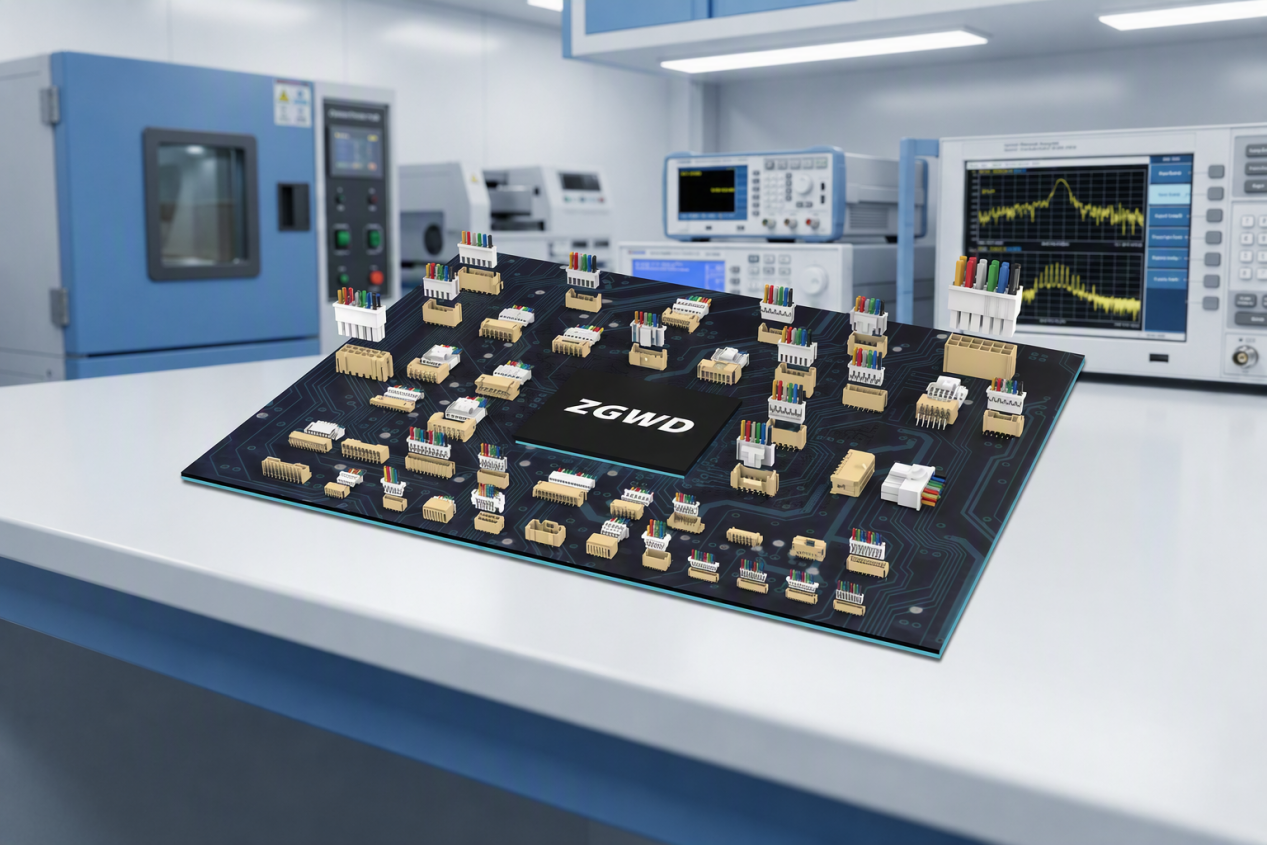
The EIA-364 connector test series developed by the Electronic Industries Alliance (EIA), comprises a variety of tests which are meant to assess the performance of connectors. The tests include thermal shock test of the connector, durability test of the connector, and contact resistance test. Different tests target various aspects of reliability. Since thermal shock tests deal with the rapid heating of connectors, it is essential for manufacturers of electronic devices intended for use in severe environments.
As an international standard, IEC 60512 lays out the testing requirements for connectors, particularly in relation to electrical and electronic equipment. Among many tests found in IEC 605312, the connector vibration test, which is the most pertinent test for automotive connectors, is the important. Those engineers who want to submit their products to the country's safety of reliability standards must be familiar with the basic features of IEC 60512,
The USCAR – (United States Council for Automotive Research) standards are concerned with reliability in connectors in automotive applications through tests that are appropriate for situations encountered in the sector USCAR standards encompass a variety of tests such as thermal shock, vibration, and environmental exposure to confirm that automotive connectors are able to perform properly in operating conditions.
The connector insertion force test and mixed flowing gas test are both effective methods for measuring connector quality and longevity. The insertion force test determines how much pressure is required to insert the connector and take it back out, while mixed-flowing gas testing provides an understanding of connector resistance to corrosion.
To elaborate on common queries regarding reliability testing of connectors, let's look into some popular questions.
What is EIA-364 and what connector tests does it cover?
The EIA-364 specification contains a number of tests including thermal shock, mechanical shock, and contact resistance tests, in order to guarantee the dependability of connectors.
How is thermal shock testing performed on connectors?
Thermal shock testing involves the process where temperature changes are varied to monitory the performance of connectors when in such extreme conditions.
What is the difference between EIA-364 and IEC 60512 connector standards?
EIA-364 places greater emphasis on the different mechanical and electrical characteristics, while IEC 60512 gives a larger worldwide standard for connector testing across various environments.
How many mating cycles should a connector be tested for?
In most cases, connectors are expected to be able to withstand between 500 to 10,000 mating cycles based on their purpose.
What vibration test profile should I use for automotive connectors?
The vibration testing profile must reflect actual conditions faced in the automotive industry, usually using frequency values from 10 Hz to 2000 Hz and amplitude adjusted accordingly to the type of connector being tested.
How is contact resistance measured according to industry standards?
Contact resistance can be determined by using a micro-ohmmeter, which ensures that the connectors have sufficient resistance.
What is a mixed flowing gas test and why does it matter?
The mixed flowing gas (MFG) test examines the tendency of connected devices to react to corrosive gases that impact performance and reliability in the long run, especially in automotive uses.
In light of the increasing intricacy of electronic assembly, adherence to the connector reliability testing standards is not only about compliance but also about creating the long-life quality of your designs. Knowledge of EIA-364, IEC 60512, and USCAR standards allows design engineers to deliver efficient products that are in accordance with industry requirements and consumer preferences.
حقوق الطبع والنشر © شركة تشجيانغ ويندا للإلكترونيات المحدودةجميع الحقوق محفوظة.


